
Above-ground inspection
Inspect equipment, valves, fittings, accessible plumbing, water features, and visible surfaces for active leakage or air intrusion.
Find the source before demolition
Unexplained water loss can come from the pool shell, fittings, equipment pad, or buried plumbing. We use advanced acoustic listening equipment, pressure testing, and professional plumbing diagnostics to narrow and pinpoint the suspected leak area—even when the line runs beneath soil, decking, or another finished surface.
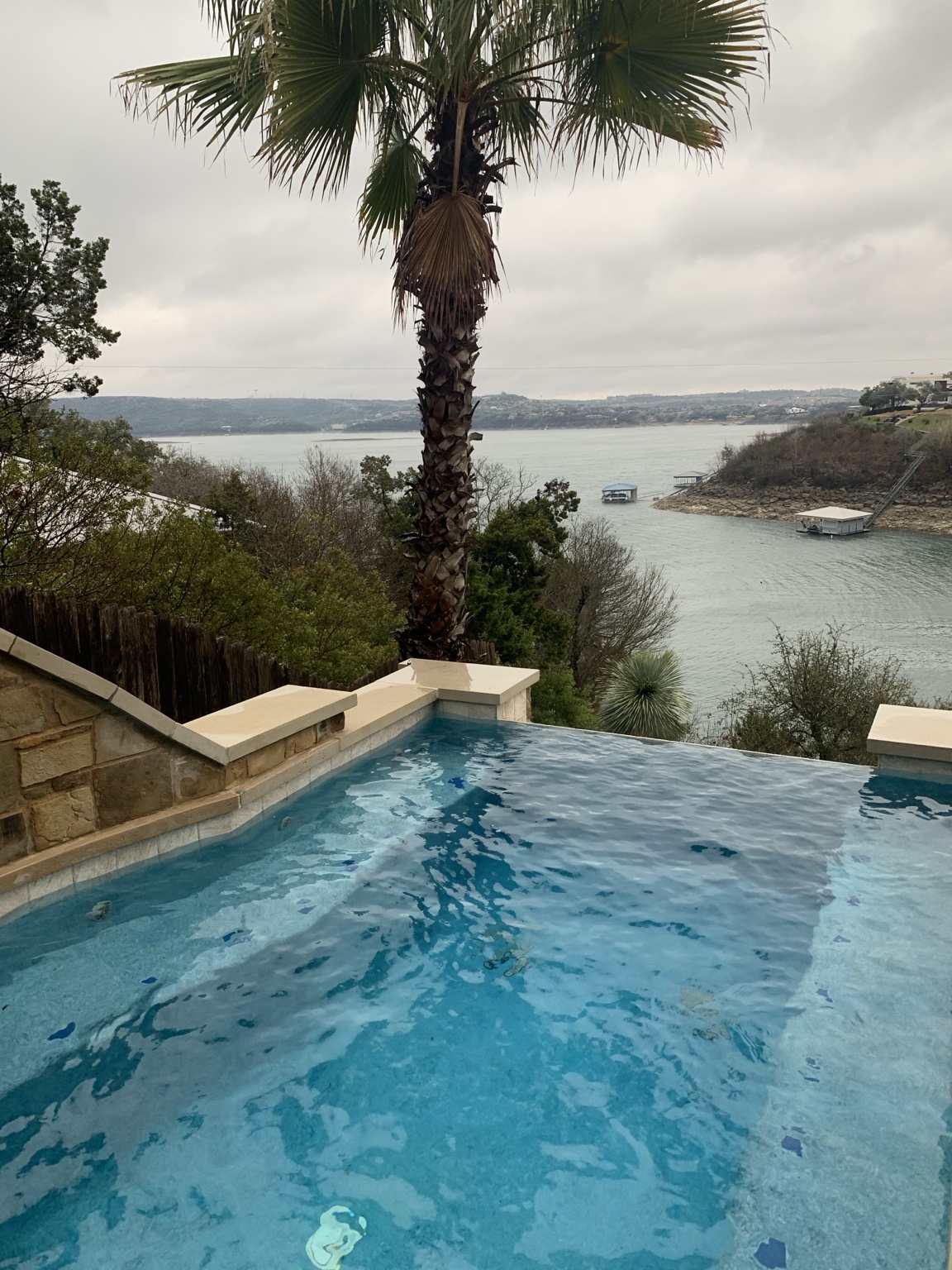
pool leak detection Austin TX
We inspect the specific pool and explain the approved scope before work begins. Conditions, access, equipment, and surface materials determine the final approach.
Inspect equipment, valves, fittings, accessible plumbing, water features, and visible surfaces for active leakage or air intrusion.
Isolate suspected lines and test whether they hold pressure, helping distinguish plumbing loss from shell, fitting, or equipment issues.
Use sensitive electronic listening tools to identify sound patterns associated with pressurized leaks beneath soil, decking, or other surfaces.
Mark or explain the most likely leak zone so repair planning can avoid unnecessary excavation whenever conditions allow.
A clear process
The point is to understand the condition, choose a suitable method, and leave you with a practical next step.
We review loss rate, operating conditions, evaporation variables, recent work, and visible symptoms before invasive testing.
Equipment, shell features, suction lines, return lines, and other plumbing segments are narrowed through inspection and testing.
Acoustic and plumbing equipment is used to identify the most likely underground or concealed leak zone for repair planning.

Local Austin pool expertise
Austin-area pools often have plumbing routed beneath decks, patios, landscaping, and shifting soil. Accurate testing helps distinguish a buried line failure from evaporation, equipment leaks, autofill problems, shell cracks, or water-feature loss before destructive access begins.
Advanced Leak Detection FAQ
Still unsure? Call or text the symptoms, the pool location, and photos of the surface or equipment when possible.
Text (512) 639-1594Weather, wind, water temperature, features, and pool use all affect evaporation. A marked water-level or bucket comparison can help confirm unusual loss, but professional testing is needed to locate the source.
Acoustic listening can often narrow the suspected area of a pressurized plumbing leak beneath concrete or soil. Results depend on pipe material, depth, background noise, soil, leak size, and whether the line can be isolated and pressurized.
Detection identifies and narrows the likely source. Repair scope and price depend on the location, access, surface restoration, plumbing condition, and specialty work required, so it is quoted separately when appropriate.
Leak-detection pricing depends on the pool features, number of plumbing lines, whether pressure and acoustic testing are required, access, depth, and how clearly the system can be isolated. Detection and repair are quoted separately when the repair scope is not yet known.
A suspected plumbing line is isolated and tested. When conditions allow, sensitive listening equipment is used to detect and compare sound created by escaping water, helping narrow the likely leak zone beneath soil or decking.
Request advanced leak detection
Include your Austin-area location and photos when possible for a faster first look.