
Pump will not prime
Check water level, lids and seals, suction-side air entry, valves, obstructions, impeller flow, plumbing, and pump condition.
Restore reliable circulation
A pool pump that will not prime, becomes noisy, leaks at the seal, loses flow, or displays an error can be reacting to a pump failure or another circulation problem. We inspect the pump with the filter, valves, plumbing, baskets, water level, and controls so the recommended repair addresses the complete system.
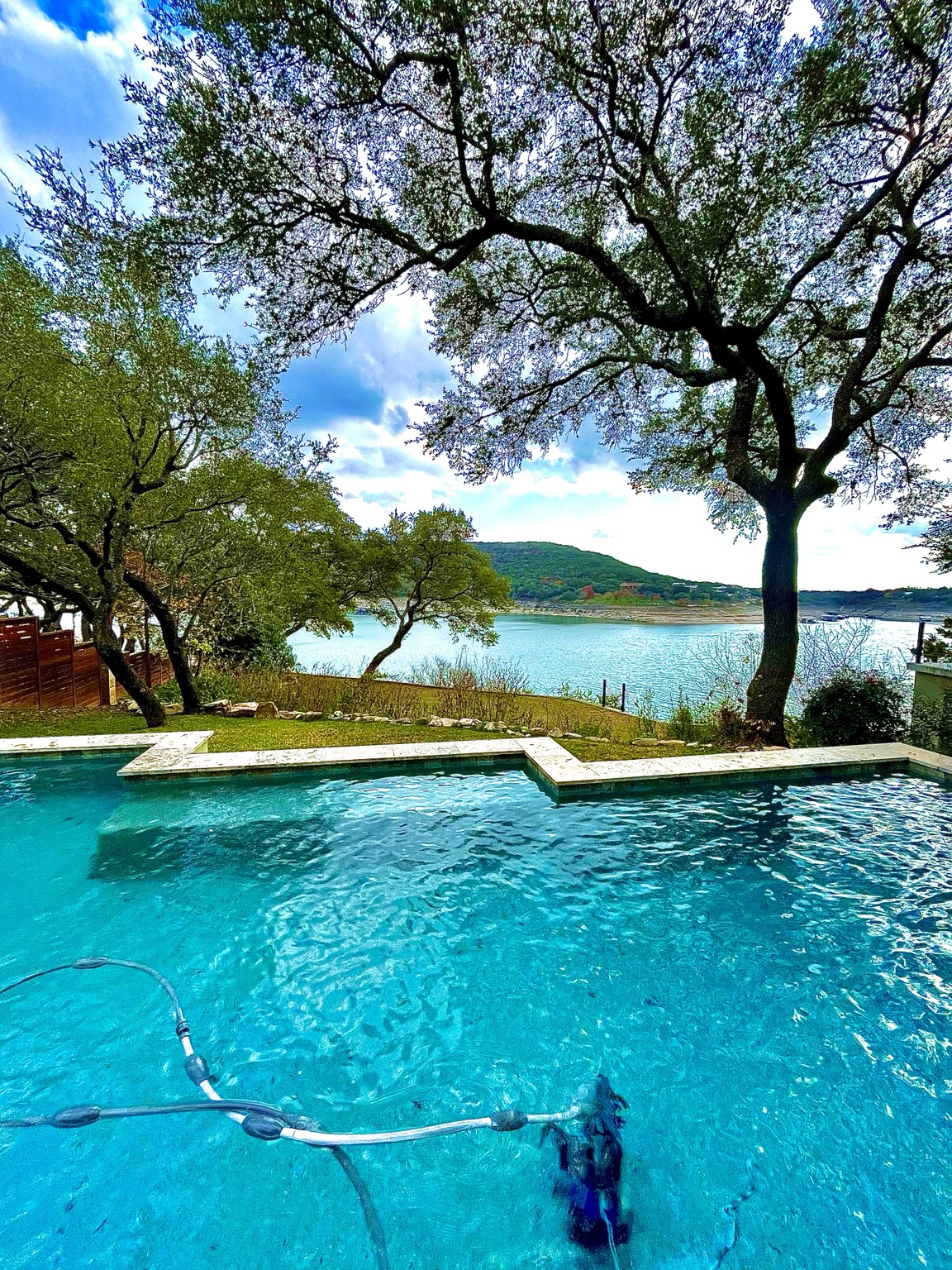
pool pump repair Austin
We inspect the specific pool and explain the approved scope before work begins. Conditions, access, equipment, and surface materials determine the final approach.
Check water level, lids and seals, suction-side air entry, valves, obstructions, impeller flow, plumbing, and pump condition.
Investigate bearings, motor condition, debris, cavitation, voltage symptoms, mounting, ventilation, and hydraulic restrictions.
Trace seal, union, housing, drain-plug, and accessible plumbing leaks while checking whether the pump is moving the expected water volume.
Review displayed codes, schedules, drive behavior, control communication, and compatible settings before recommending repair or replacement.
A clear process
The point is to understand the condition, choose a suitable method, and leave you with a practical next step.
We observe startup, prime, sound, flow, pressure, leakage, and controls when operation is safe and practical.
Suction leaks, clogged filtration, valve position, plumbing restrictions, and control faults are checked before condemning the pump.
Options are based on the failed component, pump age, parts availability, efficiency, compatibility, and expected useful life.
Local Austin pool expertise
Long swim seasons, high water temperatures, storm debris, hard-water scale, and freeze damage can all affect pump performance. Correct flow and scheduling help the repair last and protect the filter, heater, and sanitizer downstream.
Pool Pump Repair FAQ
Still unsure? Call or text the symptoms, the pool location, and photos of the surface or equipment when possible.
Text (512) 639-1594Common causes include low water level, a loose lid or damaged O-ring, suction-side air leaks, closed or blocked valves, clogged baskets or impeller, plumbing restrictions, or a worn pump component. Testing is the fastest way to separate them.
Many seal, union, fitting, and accessible plumbing leaks can be repaired. Cracked housings, severe corrosion, obsolete parts, or repeated motor problems may make replacement more practical.
The decision depends on the failed part, pump age, repair cost, energy use, parts support, hydraulic sizing, and compatibility with existing controls. We explain those tradeoffs after diagnosis.
Request pool pump repair
Include your Austin-area location and photos when possible for a faster first look.